Snowy Evening Bobble Scarf: Free Crochet Pattern Guide
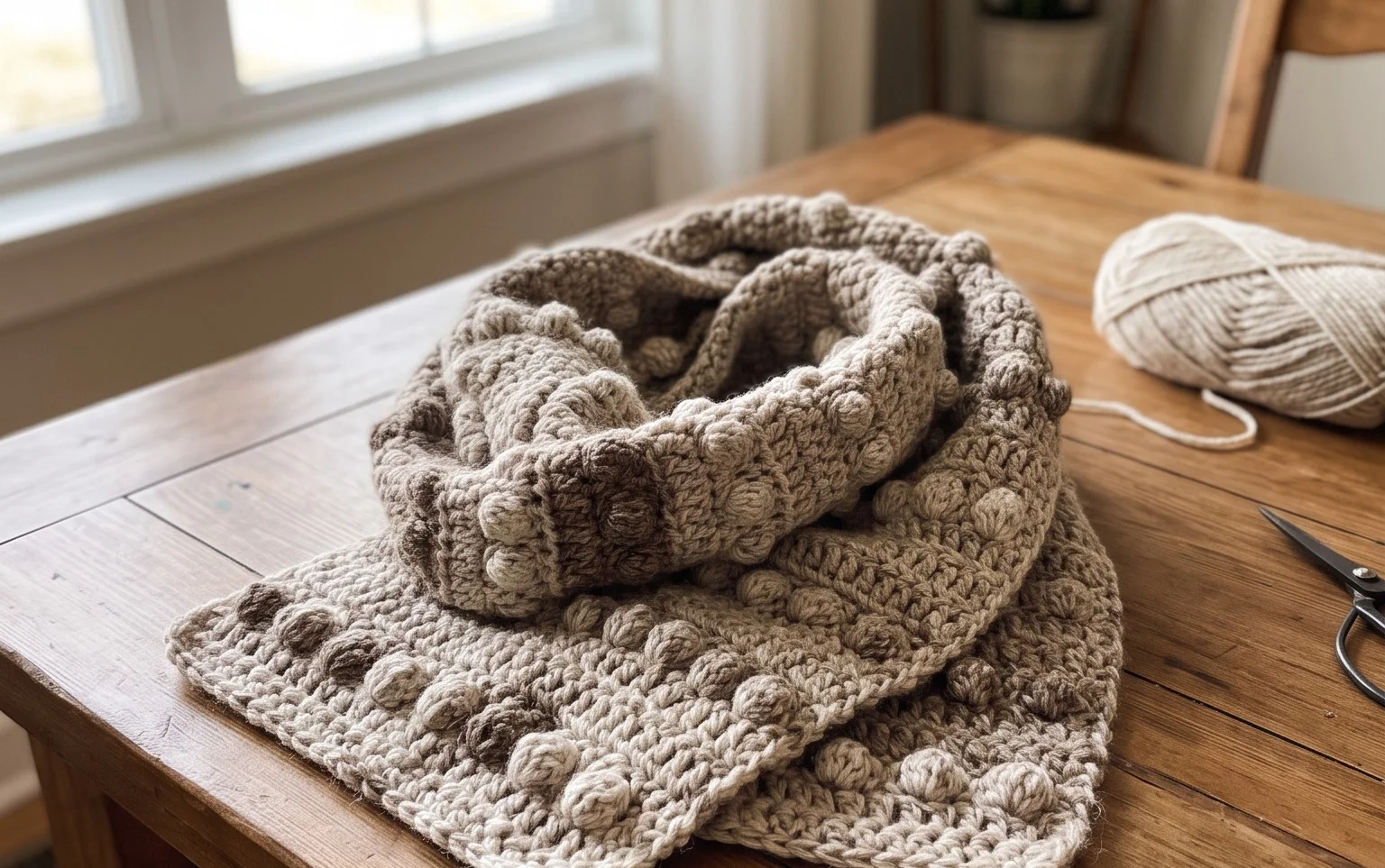
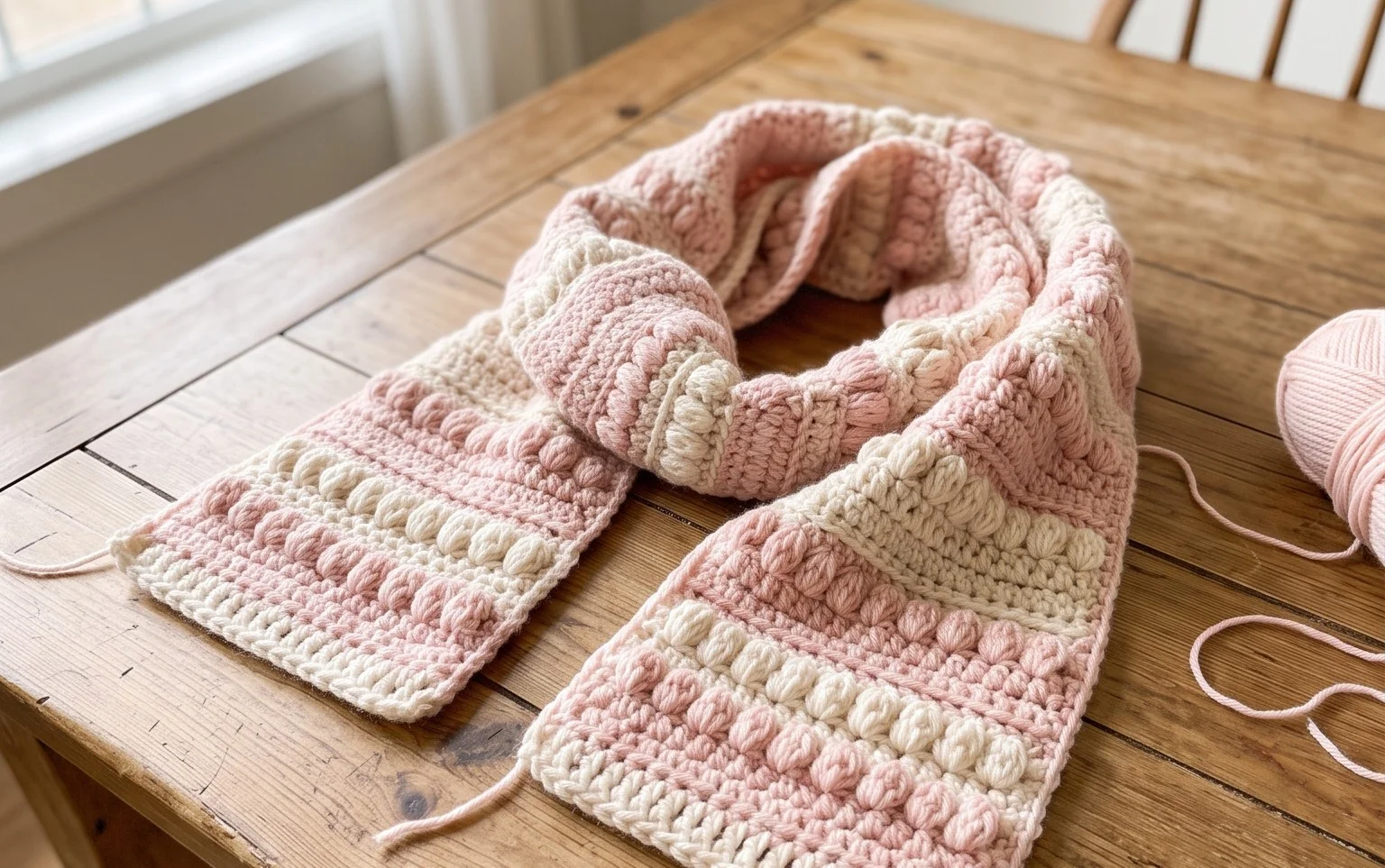
This winter accessory features soft, raised bobbles that mimic falling flakes against a warm, dense fabric. Wrapping this finished scarf around your neck provides a cozy layer during cold commutes or quiet weekend walks. Beginners find this project rewarding because the rhythmic sequence of stitches builds confidence while producing a high-end, store-bought look. You will learn to integrate small, rounded clusters into a standard base to create three-dimensional texture throughout the garment. Whether you want to master a new shaping skill or just need a comforting, tactile piece for your wardrobe, these instructions simplify the process into manageable, clear steps.
Why You’ll Love This Pattern
This crochet washcloth pattern provides a functional, textured surface perfect for everyday household use. The stitch pattern creates a dense, scrubby fabric that holds suds well without becoming overly heavy when wet. Because the design relies on a simple two-row repeat, it is easy to memorize during a commute or while watching a show. You can finish a single cloth in under two hours, making this an ideal project for using up partial skeins of cotton yarn sitting in your stash.
I managed to whip up three of these for a housewarming gift last weekend. The texture is much sturdier than a standard single crochet washcloth and they hold up perfectly in the washing machine.
— Sarah, home crafter
Pattern Overview & Skill Level
- Skill Level: Beginner
- Approximate Time: 60-90 minutes per cloth
- Construction: Worked in flat rows
- Finished Dimensions: 8 inches by 8 inches
Materials & Supplies Needed
- Yarn: Worsted #4 weight, 100% cotton yarn, approximately 60 yards per cloth.
- Hook Size: 5.0 mm (H-8).
- Notions: Tapestry needle for weaving in ends, scissors.
- Safe yarn substitutions: You may use a cotton-linen blend for increased durability, though this may make the fabric slightly stiffer. Avoid acrylic yarns, as they do not absorb water effectively and will not perform well as a washcloth.
Stitch Guide & Abbreviations (US Terms)
- ch = chain
- st = stitch
- sc = single crochet
- dc = double crochet
- sk = skip
- rep = repeat
- Special stitch: Moss stitch (also known as linen stitch). This is created by alternating single crochet stitches with chain spaces. You work the next single crochet into the chain-one space of the previous row.
Step-by-Step Pattern Instructions
Main Body
- Row 1: Ch 32. Sc in the 4th ch from the hook. *Ch 1, sk 1 ch, sc in the next ch. Rep from * across until 1 ch remains. Sc in the last ch. (16 sc, 15 ch-1 spaces).
- Row 2: Ch 2, turn. Sc in the first ch-1 space. *Ch 1, sk 1 sc, sc in the next ch-1 space. Rep from * across. Sc in the turning chain space. (16 sc, 15 ch-1 spaces).
- Rows 3-30: Repeat Row 2 until the piece measures 8 inches long.
Finishing
Fasten off your yarn, leaving a 6-inch tail for weaving. Using your tapestry needle, weave the tail through the base of the final row stitches to secure it. Repeat this process for the starting tail at the foundation chain. Ensure that both ends are tucked securely into the body of the cloth so they do not fray during repeated washing cycles.
Care & Washing Instructions
- Machine wash in warm water on a gentle cycle to maintain the integrity of the cotton fibers.
- Lay the washcloth flat on a towel to air dry, reshaping it with your hands if it has stretched during the wash.
- Avoid using fabric softeners, as these leave a film on the yarn that reduces the cloth’s ability to absorb water.
Pro Tips & Common Mistakes to Avoid
Maintain consistent tension throughout the project, as changes in grip can cause the edges of the cloth to pull inward. Use a stitch marker at the start of each row to help you identify the final chain space, which is often easy to overlook in this stitch pattern. If you notice your cloth is becoming a trapezoid shape, you are likely missing the last stitch of your rows. You can adjust the size of the cloth by chaining any even number of stitches for the foundation, but remember that increasing the width will require more than one skein of standard yarn.
Frequently Asked Questions
Can I use a larger hook to make the project go faster?
Using a larger hook will make the fabric loose and holey, which reduces the scrubbing power of the washcloth. Stick to the 5.0 mm hook for a tight, durable result.
Is this pattern suitable for someone who has never crocheted before?
Yes, this is an excellent starter project. It only requires two basic stitches and teaches you how to keep edges straight without the complexity of increasing or decreasing.
Can I sell the finished washcloths made from this pattern?
You are welcome to sell physical items made from this design. Please credit the pattern designer when listing them in an online shop or craft fair.
Why does my washcloth look skewed after a few rows?
Skewing usually occurs if you accidentally skip a stitch at the beginning or end of a row. Always count your single crochet stitches to ensure you have 16 in every row.
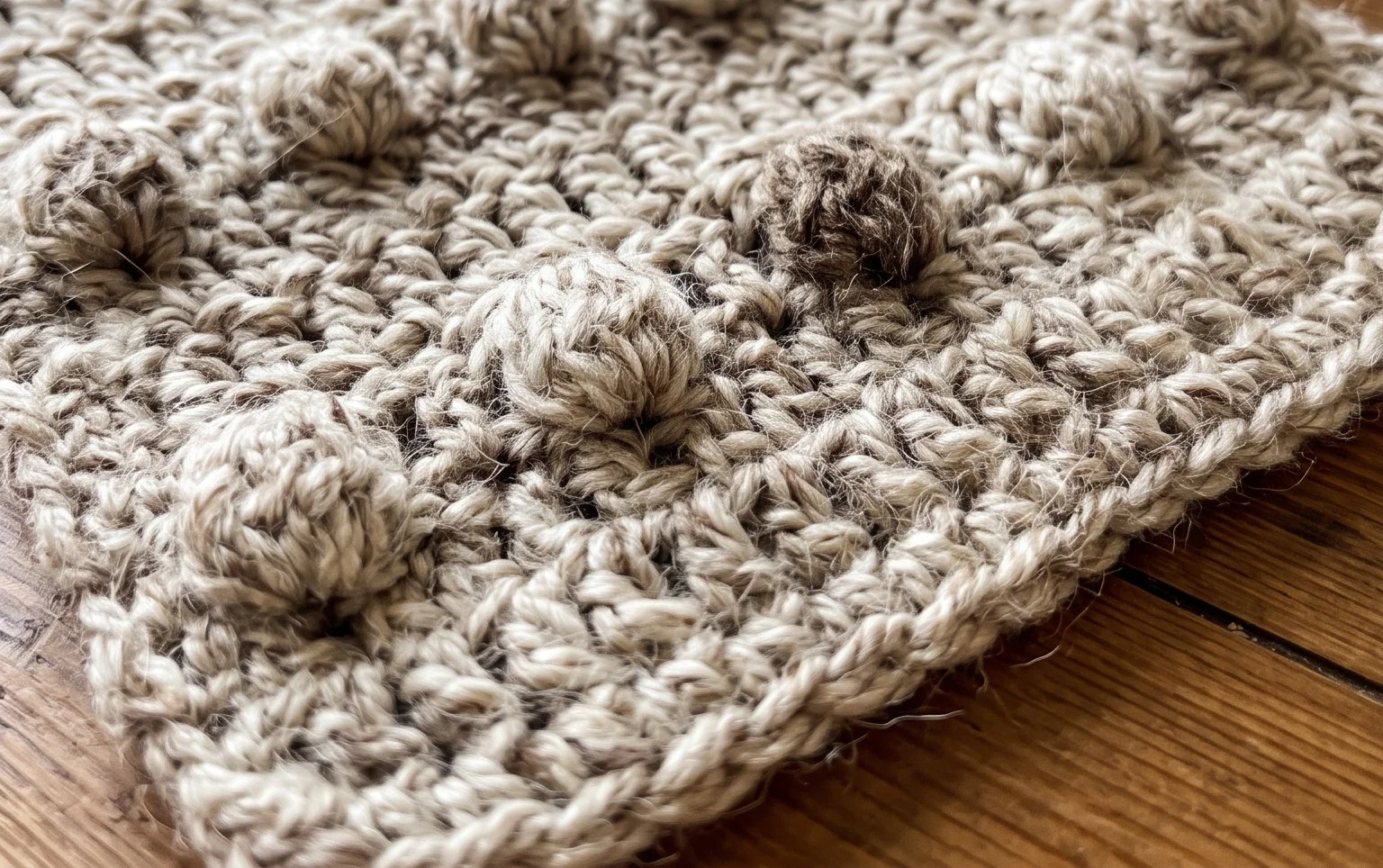
Your finished winter accessory brings a touch of handmade warmth to any outfit once you weave in those final loose ends. Try working this in a deep navy or forest green wool blend if you prefer a moodier tone instead of the traditional white or cream. Seeing your completed work on social media inspires other makers, so please post a photo of your cozy results. Visit the rest of the blog for additional cold-weather projects to keep your hands busy during the longer, darker months ahead.