Easy Amigurumi Snowman: Free Crochet Pattern & Tutorial
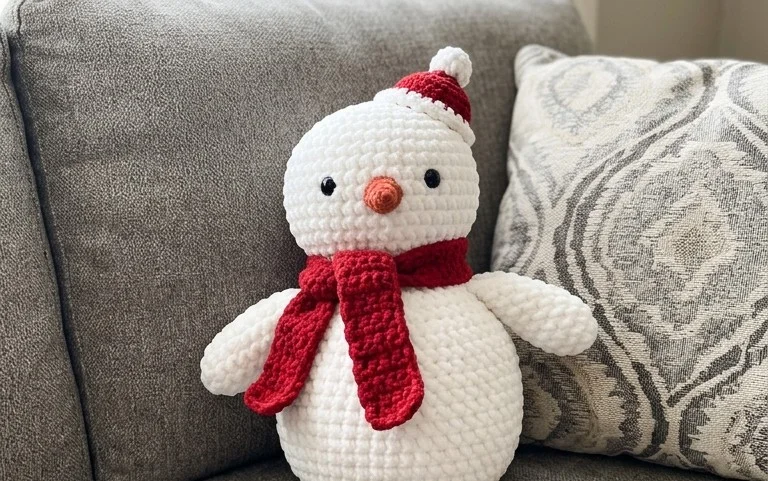
A plump, white snowman sits happily on a mantelpiece, his tiny carrot nose and stitched coal smile bringing immediate warmth to a winter shelf. This project is a delight for those who enjoy working with small, round shapes and simple increases, making it a reliable choice for building skills in shaping toys. You will practice the magic ring and invisible decreases, which create the clean, polished finish that defines professional-looking figures. Whether you want to assemble a miniature parade for your holiday decor or craft a quick, personalized gift for a coworker, this charming character comes together in just one afternoon.
Why You’ll Love This Pattern
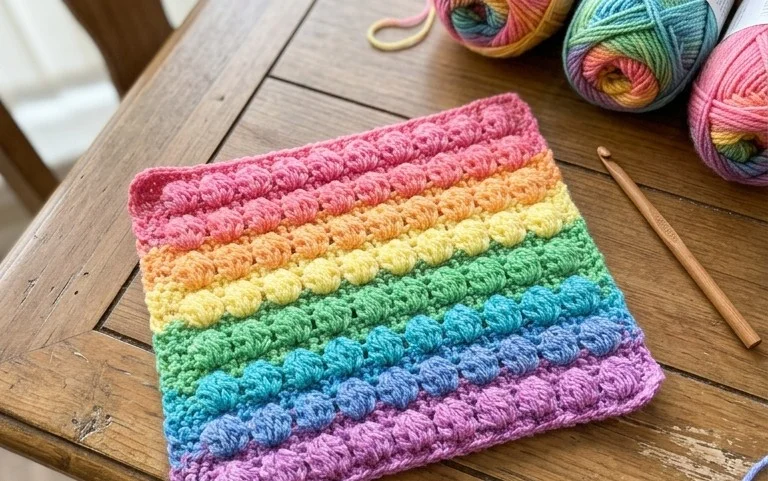
This classic crochet dishcloth is designed to withstand daily kitchen chores while providing a satisfying, rhythmic crafting experience. The texture is created by combining simple single crochet and chain spaces, which allows for better airflow and faster drying times between uses. Because it works up in under two hours, this project is ideal for building your inventory of handmade home goods or preparing a set of thoughtful, useful gifts. You only need to master two basic stitches to complete the entire square, making it a reliable project for practicing even tension.
I managed to finish three of these during a single weekend. They hold up perfectly in the washing machine and the texture scrubs away stuck-on food much better than my store-bought sponges.
— Sarah, home cook
Pattern Overview & Skill Level
- Skill Level: Beginner
- Approximate Time: 1.5 to 2 hours
- Construction: Worked in rows back and forth, starting from a foundation chain
- Finished Dimensions: 8 inches by 8 inches
Materials & Supplies Needed
- Yarn: Worsted weight (#4), 100% cotton, approximately 75 yards per dishcloth. Cotton is necessary for heat resistance and absorbency.
- Hook Size: 5.0 mm (H-8) aluminum hook.
- Notions needed: Scissors and a yarn needle for weaving in ends.
- Safe yarn substitutions: Any medium-weight cotton-acrylic blend will work, though 100% cotton remains the most absorbent for kitchen use. Using a synthetic yarn will result in less water absorption and may melt if exposed to hot pots or pans.
Stitch Guide & Abbreviations (US Terms)
- ch = chain
- sc = single crochet
- st/sts = stitch/stitches
- sk = skip
- turn = turn your work to begin the next row
Step-by-Step Pattern Instructions
Main Dishcloth
- Row 1: Ch 31. Sc in the second ch from the hook and in each ch across. (30 sts)
- Row 2: Ch 1, turn. Sc in the first 2 sts, *ch 1, sk 1 st, sc in next st; repeat from * until 1 st remains, sc in last st. (30 sts)
- Row 3: Ch 1, turn. Sc in first 2 sts, *ch 1, sk 1 ch-sp, sc in next sc; repeat from * until 1 st remains, sc in last st. (30 sts)
- Rows 4–35: Repeat Row 3 until the piece measures approximately 8 inches in length.
- Row 36: Ch 1, turn. Sc in each st and ch-sp across the entire row. (30 sts)
Finishing
Fasten off your yarn, leaving a 6-inch tail. Pull the tail through the final loop to secure the knot. Use your yarn needle to weave the tail back and forth through the stitches on the back side of the cloth, ensuring it is hidden and secure before trimming the excess. Repeat this process for the starting tail at the foundation row.
Care & Washing Instructions
- Machine wash in warm water on a gentle cycle to preserve the fiber integrity.
- Lay the dishcloth flat on a towel to air dry, reshaping it into a perfect square while damp.
- Avoid using fabric softener, as it leaves a waxy coating on cotton fibers that prevents them from absorbing water effectively.
Pro Tips & Common Mistakes to Avoid
Maintain consistent tension throughout your rows to ensure the edges stay straight. Beginners often pull their yarn tighter on the return rows, which causes the edges to pull inward, creating a trapezoid shape instead of a square. Use a stitch marker in the very first and last stitch of every row to track your count, as it is easy to accidentally skip the final stitch of a row. If you wish to adjust the size, simply add or subtract an even number of chains to your starting foundation. Be aware that larger cloths will require significantly more yardage and may take longer to dry during daily use.
Frequently Asked Questions
Can I use acrylic yarn for this dishcloth?
While you can, it is not recommended for kitchen use. Acrylic is a plastic fiber and does not absorb water, making it ineffective for cleaning, and it can melt if it touches a hot surface.
Why is my dishcloth curling at the edges?
Curling usually happens if your tension is too tight or if your hook size is too small for the yarn weight. Try moving up one hook size to relax the fabric if you notice the corners bowing inward.
How do I make the dishcloth larger?
Add stitches in multiples of two to your foundation chain. Keep in mind that a larger cloth will need more yarn, so ensure you have enough yardage if you are working from a single ball.
Am I allowed to sell the dishcloths I make with this pattern?
You are welcome to sell finished items made from this design. Please credit the designer when listing your items online and use your own photographs to represent your work.
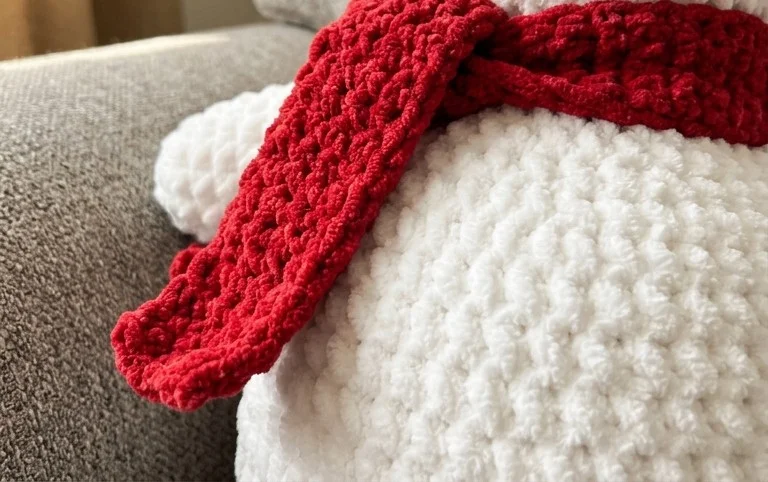
Watching the small snowman come to life as you stitch his limbs and hat is a deeply satisfying end to a quiet crafting session. You might try swapping the classic wool for a chunky velvet yarn to create a much larger version that makes a soft companion for children. Sharing your completed creation on social media is a great way to inspire others in our community, so tag your photos when you post them. If you enjoyed this project, you can find more beginner-friendly toy patterns available on our blog archives for your next weekend project.